Project Planning

June 4, 2025

Choosing the Right Building Designer for Your Project


When starting a new home or renovation project, one of the most important early decisions is selecting the right building designer. Not all designers are created equal—each brings their own strengths, style, and approach to a project. Choosing the right one can make all the difference in the outcome, both visually and financially.


Matching Style with Vision


Building designers often have particular styles or design philosophies. Some specialise in contemporary or minimalist homes, while others focus on traditional or heritage-style dwellings. It’s important to look through their portfolio to see if their previous work aligns with the look and feel you’re hoping to achieve. If you're dreaming of a sleek, modern townhouse, a designer known for classic country homes might not be the right fit.


Budget Compatibility


Designers also differ in the type of projects they typically take on when it comes to cost. Some are highly experienced in working with modest budgets and can offer clever solutions to get the most out of limited funds. Others may specialise in high-end custom homes where budget is less of a constraint. Aligning your budget with a designer’s experience can prevent unrealistic expectations and ensure a smoother project journey.


When to Choose an Architect Instead


In some cases, particularly for highly complex builds or projects in areas with strict planning requirements, it may be more appropriate to engage a registered architect. Architects undergo more extensive training than building designers and are often suited to projects that demand advanced technical or structural solutions. If your project involves a unique site, challenging topography, or you’re after a highly bespoke design, an architect may be the better choice.


Final Thoughts


The key to a successful building project lies in choosing the right design professional for your needs. Be clear about your goals, budget, and desired style. Then, take the time to find a designer—or architect—who understands your vision and has the experience to bring it to life.

At Jetsonian we can help with connecting you with the right Building designer or architect for your needs. Click the “Get started now” button and get in touch today! 
May 14, 2026
One of the most common areas of confusion during the building process relates to allowances, selections and variations. Understanding these concepts early can help you make informed decisions, manage your construction budget effectively and avoid surprises once building begins. What Are Building Allowances? When preparing a quote or building contract, there are often items that haven't yet been fully selected or specified. To keep the project moving, builders include allowances for these items — a budget amount set aside for a particular product or scope of work where the final details are still undecided. Common Examples of Building Allowances Typical allowances include: Appliances Tapware Tiles Flooring Lighting Landscaping An allowance may also be included where further information is required, such as engineering reports or site investigations. How Allowances Affect Your Building Budget Allowances offer flexibility during the design and planning stages, but they are estimates only. If your final product selection costs more than the allowance, expect an additional cost. If it costs less, a credit may apply. Understanding Selections During the Building Process Selections are the choices you make throughout the build — from external cladding and roofing materials to paint colours, tiles, joinery finishes and fixtures. While making selections is one of the most enjoyable parts of building a new home, it's also where budgets can change quickly. Choosing Products That Match Your Allowances It's important to understand the allowances in your quote and consider whether they align with the finish you want. Discussing your expectations with your builder early helps ensure the allowances are realistic for your desired level of finish — reducing the risk of unexpected costs later. What Are Variations in a Building Contract? Variations are changes made to the agreed scope of works after the contract has been signed. They may be requested by the client, required due to unexpected site conditions, or arise from design changes during construction. Variations can affect both the cost and timeline of your project. How to Minimise Building Variations While some variations are unavoidable, many can be minimised through thorough planning and decision-making before construction begins. Finalising as many selections as possible before signing your contract reduces the likelihood of variations and gives you greater certainty around cost and project outcomes.  Why Clear Communication With Your Builder Matters A good builder communicates clearly about allowances, selections and variations throughout the build. They should explain any assumptions made in the contract and ensure you understand how changes may affect the final price. By understanding how allowances, selections and variations work together, you can make informed decisions, maintain greater control of your budget, and enjoy a smoother, more predictable building experience.
April 9, 2026
Why Comparing Quotes Isn't Always Straightforward Many homeowners begin by collecting several quotes and comparing the bottom line. The challenge is that building quotes are rarely identical. Different builders may make different assumptions, include varying levels of detail, or allow for different specifications. A lower price doesn't always represent better value if important items have been excluded or underestimated. When comparing builders, it's important to understand exactly what's included in each proposal. Ask questions about allowances, specifications, and any assumptions that have been made. A builder who takes the time to explain their pricing and answer your questions openly is often a good indicator of how they'll communicate throughout the project. When Should You Engage a Builder? Another consideration is timing — when to bring a builder into the process. Some homeowners complete their design and approvals before approaching builders for pricing, while others involve a builder during the design process itself. There are advantages to both approaches. However, involving a builder early can often provide greater budget certainty. A builder can offer practical input on design decisions, construction methods and material selections as plans are developed, helping align the design with your available budget. This reduces the risk of investing time and money into plans that ultimately exceed your comfortable spending limit. Look for Relevant Experience Experience matters. Look for a builder who regularly completes projects similar to yours: A builder who specialises in custom homes may approach your project very differently from a volume builder . A renovation specialist may be better equipped to manage the complexities of working within an existing home. Check References and Past Projects References and previous projects provide valuable insight. Speaking with past clients lets you learn about their experience, the builder's communication style, and how challenges were handled during construction. If possible, visit completed projects to assess the quality of workmanship firsthand. The Builder-Client Relationship Matters One factor often overlooked is the importance of the builder-client relationship. You'll be working closely with your builder for many months, so clear communication, trust and mutual respect are essential. A builder who listens to your goals, understands your priorities, and is willing to have honest conversations about budget and expectations can make the entire process far more enjoyable. Final Thoughts: Choosing for Confidence, Not Just Cost At the end of the day, the right builder isn't necessarily the cheapest builder. The right builder is the one who provides confidence, transparency, quality workmanship, and a process that aligns with your goals. Taking the time to choose carefully at the beginning can help create a smoother building experience — and a better outcome for years to come.
A Modern Living Room With Large Windows — Jetsonian Constructions In Wendouree,
March 2, 2026
Energy efficiency has become an increasingly important part of residential construction in Australia.
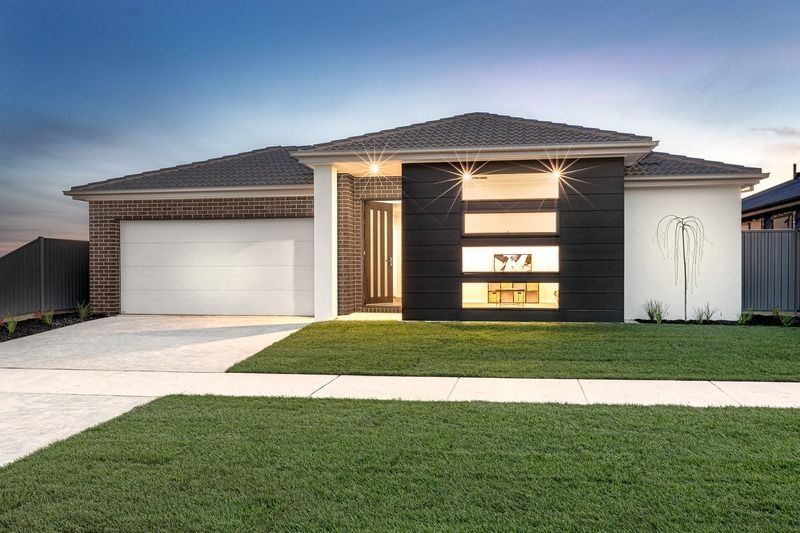
Modern White House With a Garage, Front Door, and Green Lawn — Jetsonian Constructions In Wendouree,
January 27, 2026
When choosing a custom home builder in Ballarat and across the surrounding regions, most people focus on design, build quality, and reputation.
Dining Room with Black Table, Chairs, and Curtains — Jetsonian Constructions In Wendouree, VIC
October 22, 2025
Learn how to take your concept design through engineering, energy reports and permits. Jetsonian explains the design development and approvals process.
Modern Single-Story House — Jetsonian Constructions In Wendouree, VIC
September 17, 2025
Discover how Jetsonian Constructions designs homes that reflect your lifestyle today and also adapt to your future needs for years to come. Contact our team today.
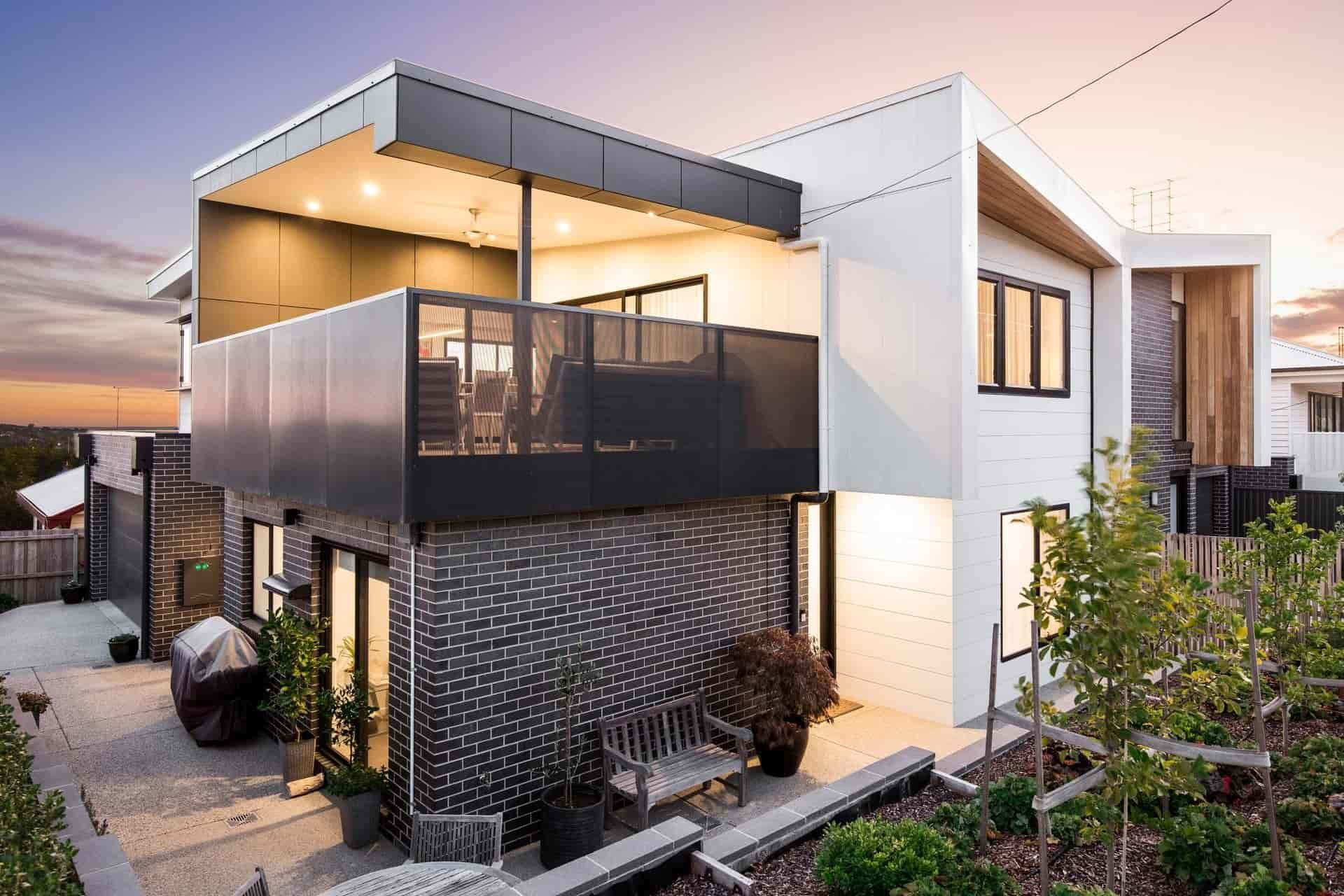
Modern two-story house with balcony and dark brick facade, with plants and sunset sky.
August 17, 2025
Choosing the right home style shapes more than street appeal. Jetsonian Constructions helps you design a home that fits today and adapts tomorrow. Contact us today.
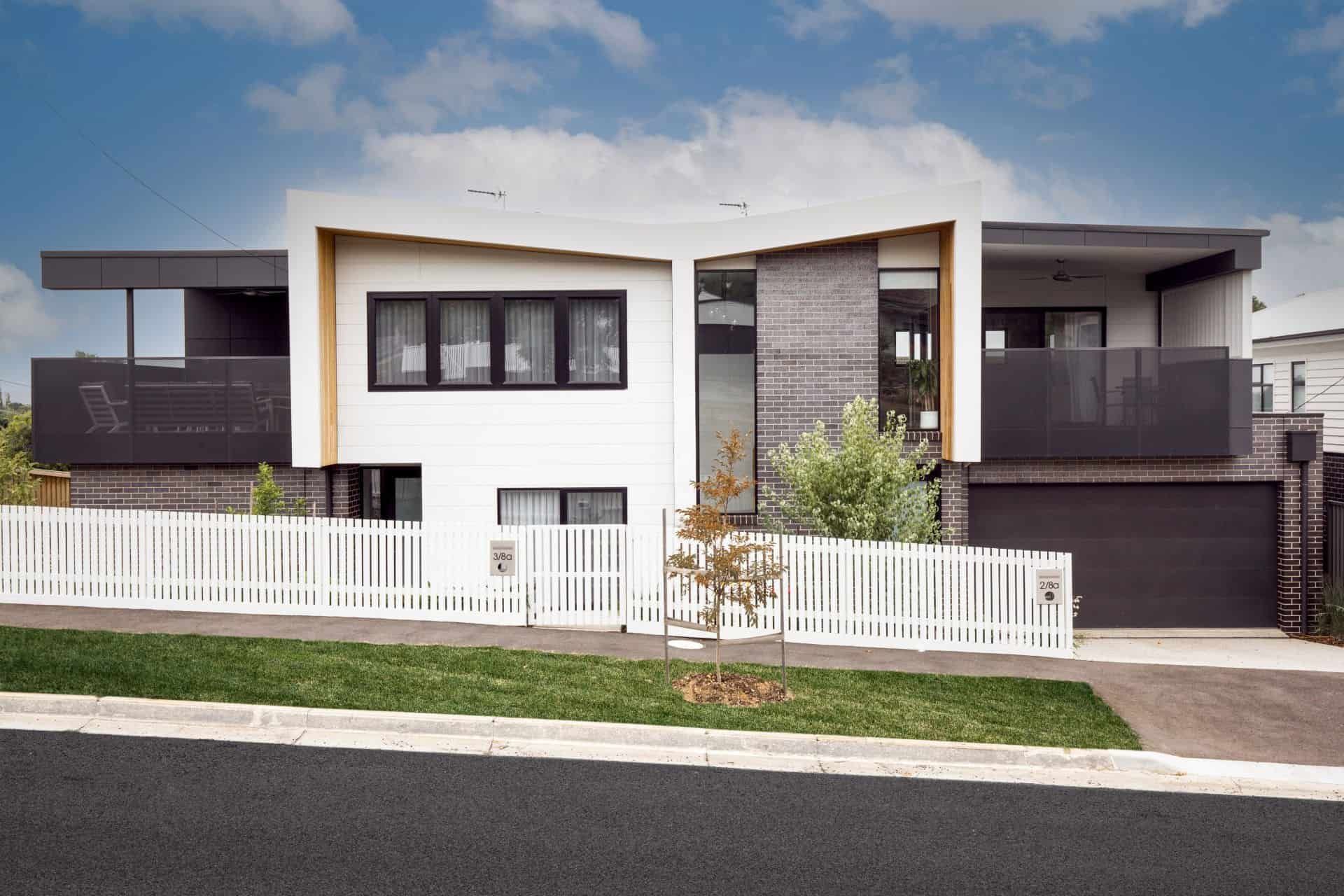
Modern two-story house with white facade, black windows, and picket fence on a sunny day.
July 16, 2025
Setting a clear budget is the key to a smooth build. Jetsonian Constructions helps you plan realistically and avoid costly surprises. Contact our helpful team today.